
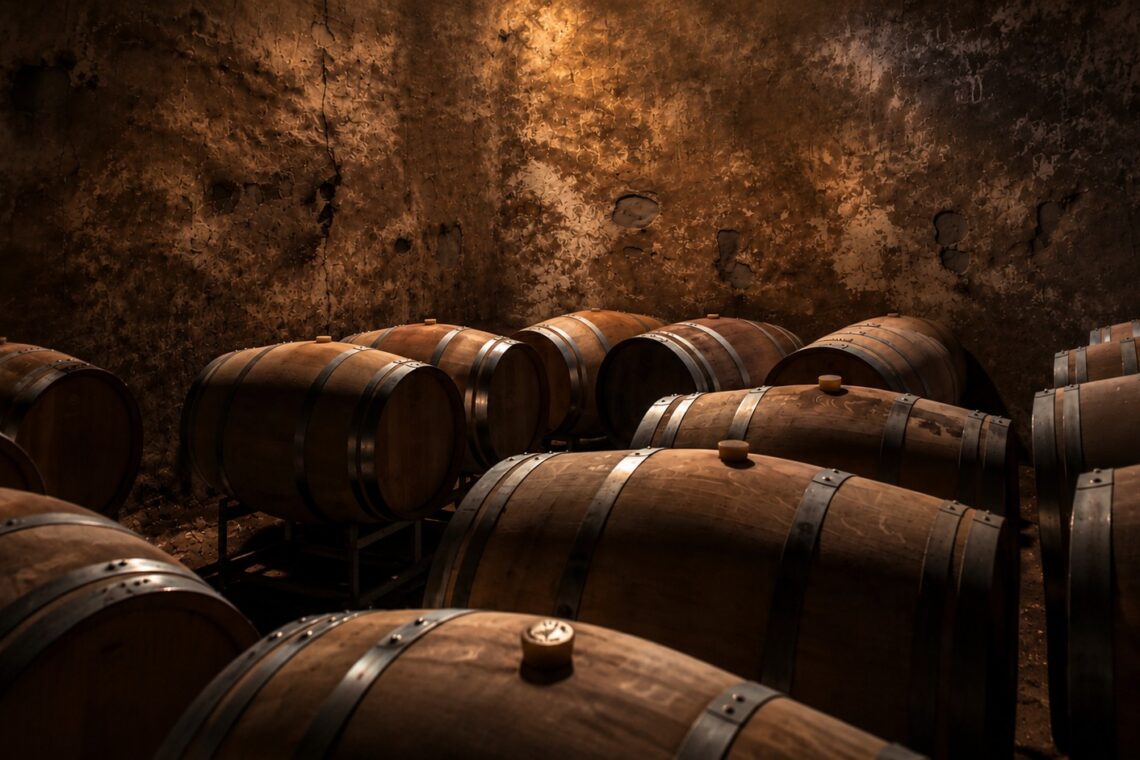
Family Notes Series : Time

There are two different kinds of time, even though we call them by the same word.
One passes. The other accumulates.
The time that passes simply goes by: the days, the months, an ageing period in the bottle. The time that accumulates is something else. It settles into something — a wine, a house, a way of welcoming someone — and transforms it from within, layer upon layer, without hurry and without pause.
That second kind of time cannot be bought, accelerated, or replaced. It can only be respected.
What ageing doesn’t explain
It’s often said that a great wine needs months of ageing, and that’s true, but it’s only a small part of the truth.
A great wine needs, above all, decades of accumulated knowledge about a specific place. It needs someone who has understood, over the years, how that soil behaves in a dry year and in a wet one. It needs generations of people who kept refining, with patience, the way of reading the same land.
That knowledge isn’t in any barrel. It’s in the people.
That’s why the true heritage of a place that makes wine isn’t its buildings or its facilities. It’s the time accumulated in the decisions of those who worked there before. Every right decision, made years ago, is still paying off today, even if no one remembers it as a decision at all.
Continuity, not age
Belonging to a long line of people devoted to the same thing isn’t, on its own, an achievement. Age is worth nothing without real continuity behind it.
The achievement isn’t having received something. The achievement is having understood it a little better than it was understood before, and having passed it on, afterward, a little better than it was received.
That’s what continuity is: not repeating the same thing for a long time, but adding one layer of understanding on top of the last, generation after generation, until no one can say exactly where one person’s contribution ends and the next one’s begins.
A conversation between people who never meet
Wine is, at bottom, a very long conversation between people who often never come to know one another. Someone plants a vine knowing that someone else will decide when to harvest it. Someone chooses a style knowing that, years later, someone else will correct it, adjust it, or take it further. No one does the whole job. Everyone continues a work that began before them and will go on after they’re no longer there.
The same is true of a house, a garden, a family, a landscape someone chose to care for instead of selling. Things that endure need people willing to work toward a result they probably won’t fully live to see. Someone plants a tree knowing that its full shade won’t arrive for another thirty years.
Time is also something we offer
There’s a form of hospitality that consists, simply, of giving time.
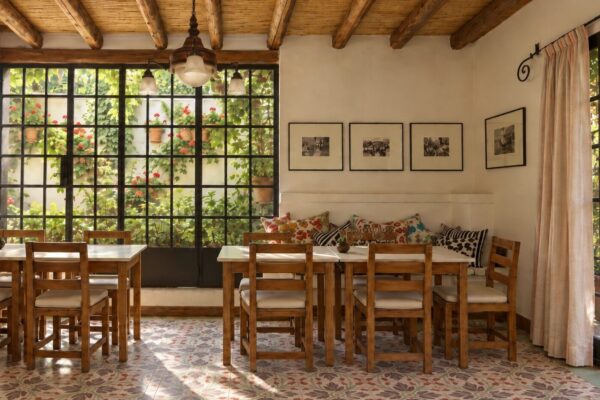
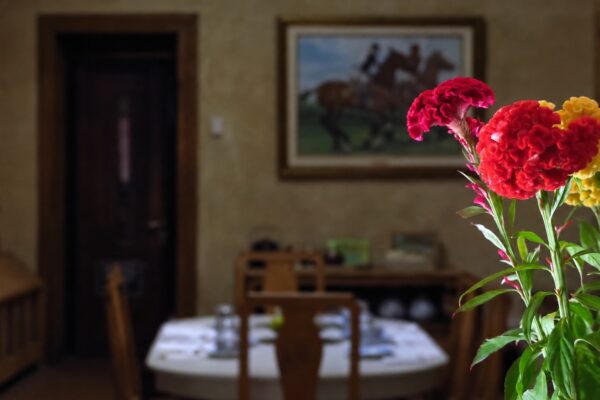
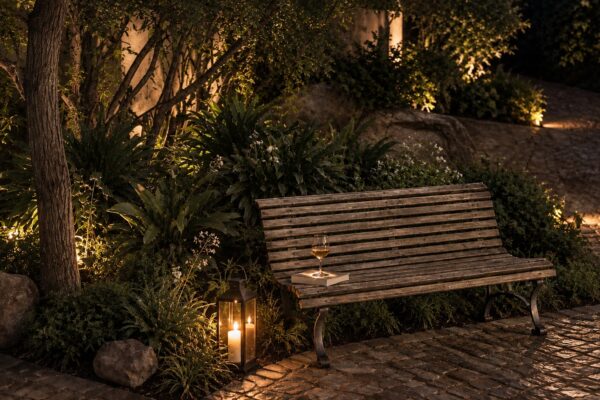
Giving a guest time to stop feeling like they’re just passing through. Giving a conversation time to arrive somewhere, instead of cutting it short. Giving time to a breakfast, to a glass of wine, to the silence that follows after someone has finished speaking.
That time, once given, can’t be seen, can’t be billed, and doesn’t show up in any review. But it’s probably the hardest gift to give, because it’s the only one that can’t be faked. You can tell almost immediately when someone truly has time to give, and when they’re simply going through the motions.
Time, accumulated this way, is what sustains everything else.
Time doesn’t leave memories.
It leaves roots.
The Philosophy of a Place · 5 of 6
← Harmony | The Memory of a Place →










0 Comment