Family Notes Series : Intangibles

A wine can be measured with precision.
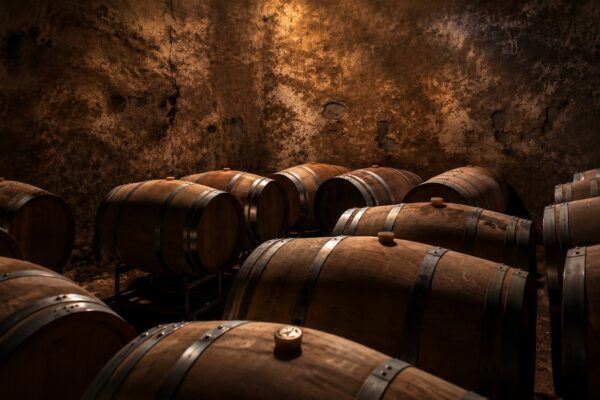
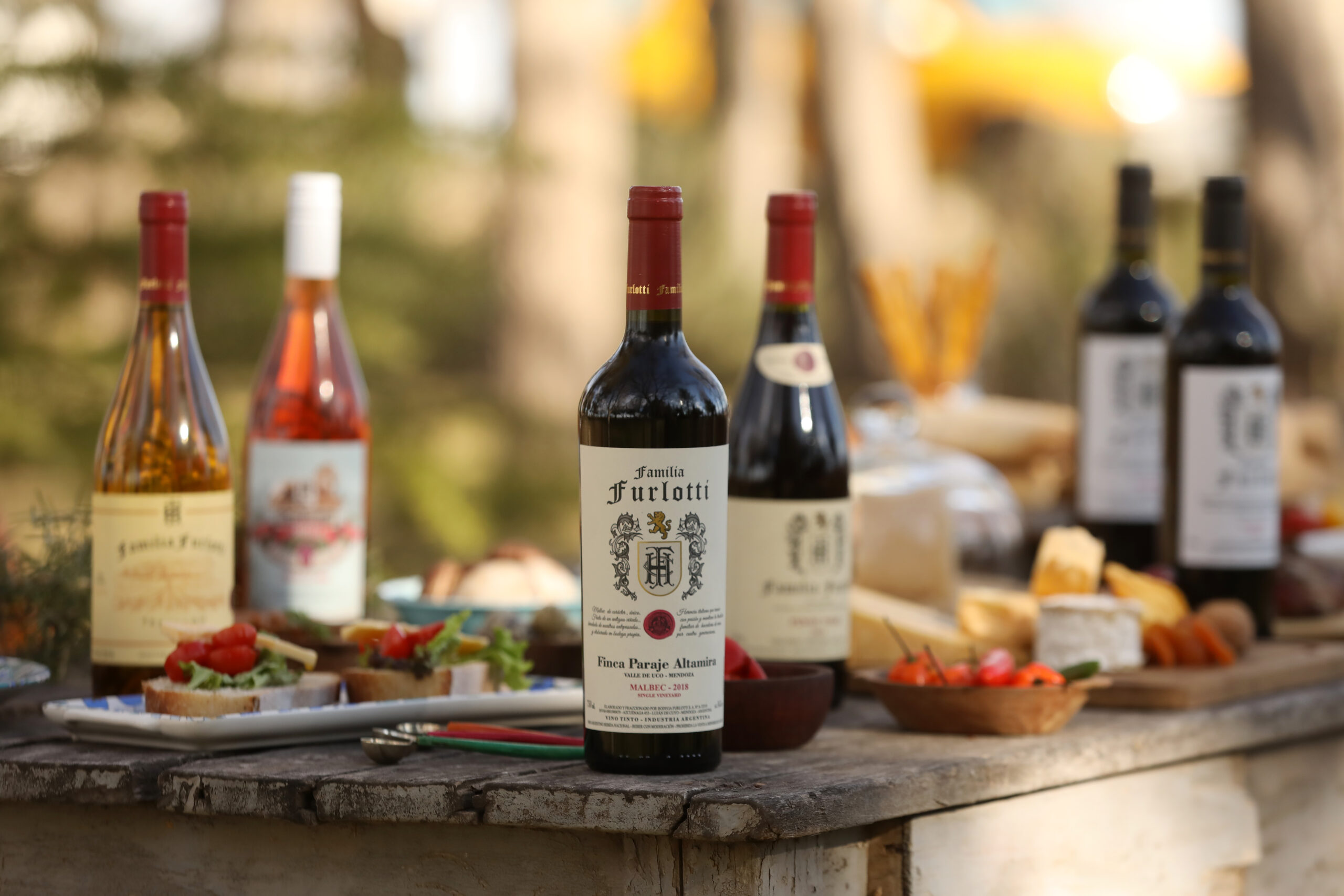
Alcohol content. Total acidity. pH. Months in barrel. All of that appears on a technical sheet, and all of it is true. But no one remembers a wine for its numbers.
The same is true of a hotel.
Square metres. Number of rooms. Amenities. A rating on a booking platform. All of that is true as well, and just as insufficient. It describes the place, but it doesn’t explain why someone remembers it years later.
What we remember is precisely what no technical sheet can capture. Technical sheets describe a product. Memory describes an experience.
What can’t be photographed
A room can be photographed. The warmth with which someone welcomes you cannot.
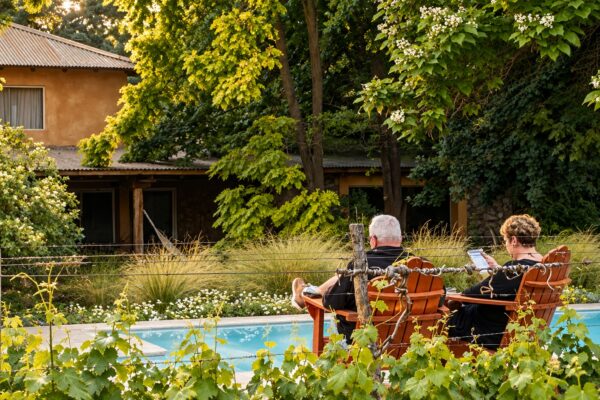
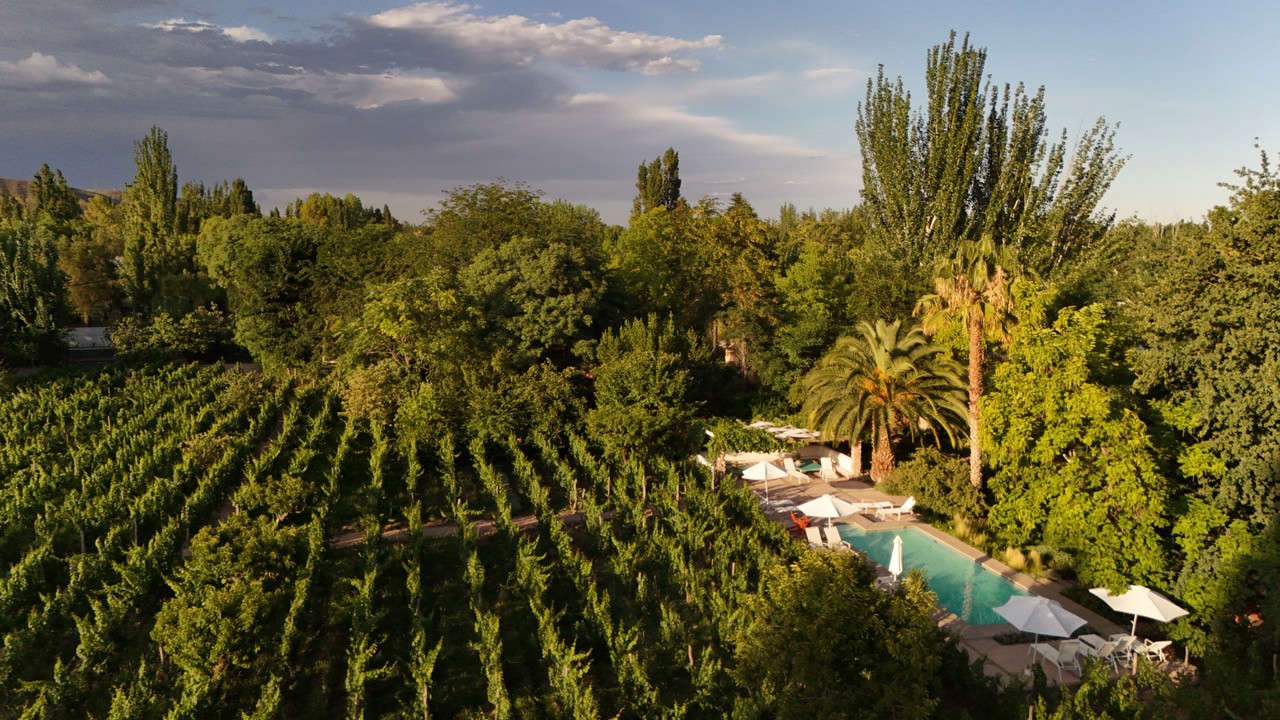
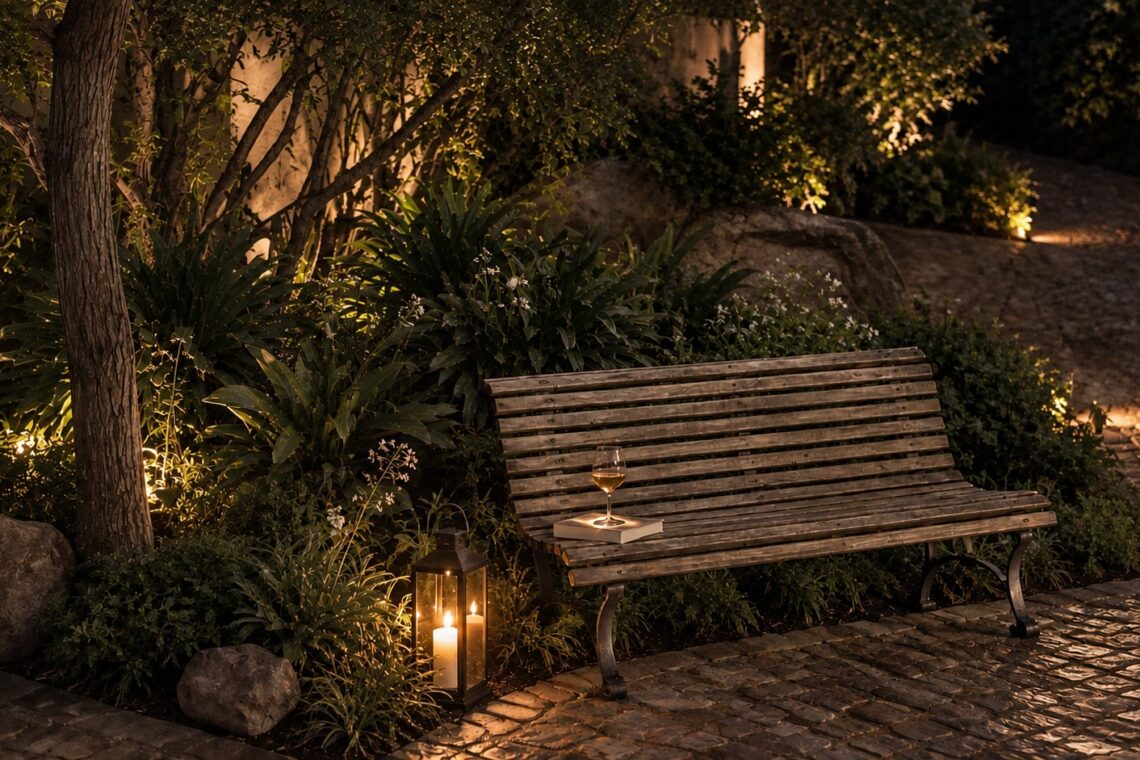
A garden can be photographed. The exact moment you decide a place matters to you cannot.
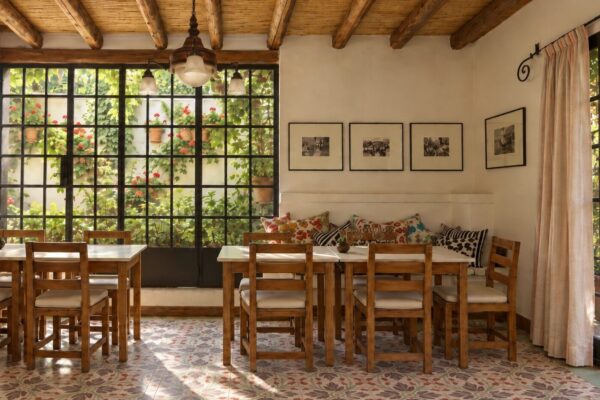
A breakfast can be photographed. The feeling that no one is rushing you to finish it cannot.
That’s an intangible: something real, something felt with complete clarity, that resists becoming data. Not because it’s vague or imprecise. On the contrary — it’s often the most precise thing there is. It can be precise without being measurable.
Why we prefer what can be counted
We feel more comfortable measuring what we can count.
Rooms. Square metres. Points. Stars. Months in barrel.
It makes sense. Numbers help us compare, choose, and justify a decision before we make it.
But they rarely explain what actually stays in our memory.
Memory doesn’t remember a sum of facts. It remembers a feeling.
No one remembers a list of services. We remember how we felt in a place.
The curious thing is that this feeling almost never comes from a single grand gesture. It’s built from hundreds of small things that, taken one by one, seem insignificant.
Caring for what can’t be seen
Working with intangibles means accepting that much of the most important thing we do can’t be measured, shown, or put on a list of services.
It means taking care of a conversation that lasts three minutes and is recorded nowhere. Taking care of the silence before someone asks if they need anything. Making sure a wine doesn’t shout what it is, but quietly suggests it.
Those are rarely the things people mention in a review. And yet they are probably what makes someone, months later, remember a place without quite being able to explain why.
That’s why, over the years, we stopped trying to show everything we do. Some things can only be experienced. There’s no point trying to explain them beforehand.
Series: The Philosophy of a Place Series · 2 of 6
← Balance | Curation →