
The Day I Discovered Nettles

- Agroecology is also about learning to observe.
- Nettles changed the way I look at the finca.
- Today, we make soup and nettle tea with our nettles.
I was about thirty when, walking through a mountain forest in Africa where gorillas live — mist, humidity and endless green — I first heard about a plant that irritated the skin. “Be careful with the plant that irritates your skin,” my companions told me.I had no idea what they were talking about.

Many years later, nettles grow everywhere at the finca. I don’t know if there were fewer of them before. Perhaps we removed them when we worked the soil. Perhaps they were there and I simply didn’t see them. I grew up among vineyards and plants, but I have no memory of nettles from when I was a child.
It makes me think about how much the way we look at things changes over the years.
The landscape may be the same,
and yet we are no longer the same.
Learning to read the land
 Since we began working with agroecological practices, the soil has changed, and so has the way I observe it.
We stopped assuming that everything growing spontaneously needed to be removed. Instead, we began asking why one plant appears here and another there, and what they might be telling us about the soil.
That’s when I started noticing the nettles.
Now they grow everywhere. We also have mallows, plantain, dandelions and many other plants I probably would once have simply called “weeds”. Today, I know they can give us clues about what is happening in the soil.
From nettles to soup
The first time I really got close to a nettle was in the kitchen.
Looking for something to do with them, I found this recipe for nettle, potato and leek soup on Adamant Kitchen. I liked the idea, so we decided to try it.
We gathered the nettles and, with the help of my mother — because she is the one who really knows how to cook — we made the soup. It was green and intense, a little like spinach with character.
And I loved it.
From the table to the garden
Then I discovered that I could use those same nettles to make nettle tea for the plants. We made our first batch last year and began trying it in the garden. Today, we use it regularly, always at night. And we observe.
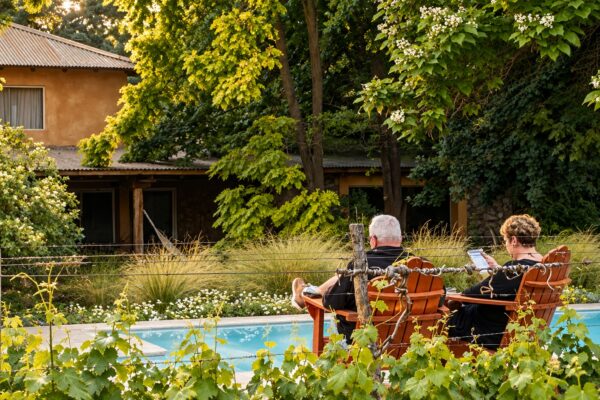
The garden is greener, full of flowers, insects and butterflies. Guests at Finca Adalgisa notice it too and often tell us they have never seen the garden looking so alive. Perhaps that is what interests me most about agroecology: learning to observe.

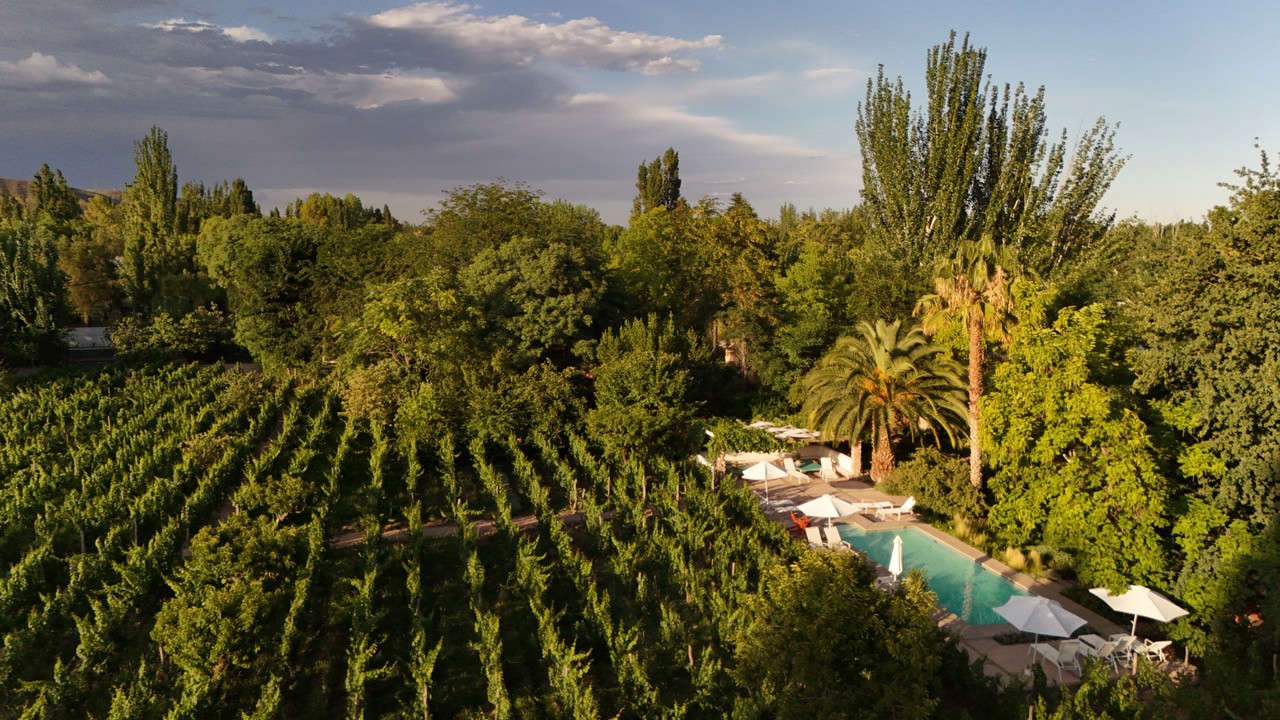
Understanding that a vineyard is about much more than the vines. There is a whole world growing spontaneously around us, and it is worth stopping to look at it.
Nettles became one small part of that learning. First, I discovered I could eat them. Then I learned that I could transform them and return them to the soil to nourish other plants.
I don’t know whether there are many more nettles today than there used to be, or whether I have simply learned to see them.
Probably both.
The land changed.
And so did I.
Perhaps growing older has something to do with that: looking again at what has been in front of us for years and discovering how much we still have to learn.
August. The first nettles of the year are beginning to appear at the finca.
And what wine do we drink with this soup?
Semillon. Its freshness works beautifully with the green character of the nettles and the creamy texture of the potatoes and leeks.