Argentine Asado

It’s not just meat on the grill. It’s the fire, the wait, and a table that stretches on, unhurried.
While the Meat Is Still to Come
Calling an asado grilled meat is true, but it’s not enough. An asado is the fire, the wait, the people arriving one by one, the table that stretches on, and a few hours in which no one is in a hurry.
In many Argentine homes, Sunday starts with someone getting up early to build the fire. He has some mate, listens to the radio, reads the paper, watches the wood turn to embers. He seems to be doing nothing, but really, he’s waiting. No one rushes that part.
From inside the house, you can tell by the smell how much longer it will be. In the kitchen, the salads and the picada are coming together, and little by little people start arriving: siblings, in-laws, aunts and uncles, cousins, a friend, a neighbor.
The asado begins long before the meat reaches the table. And it doesn’t end when it gets there, either.
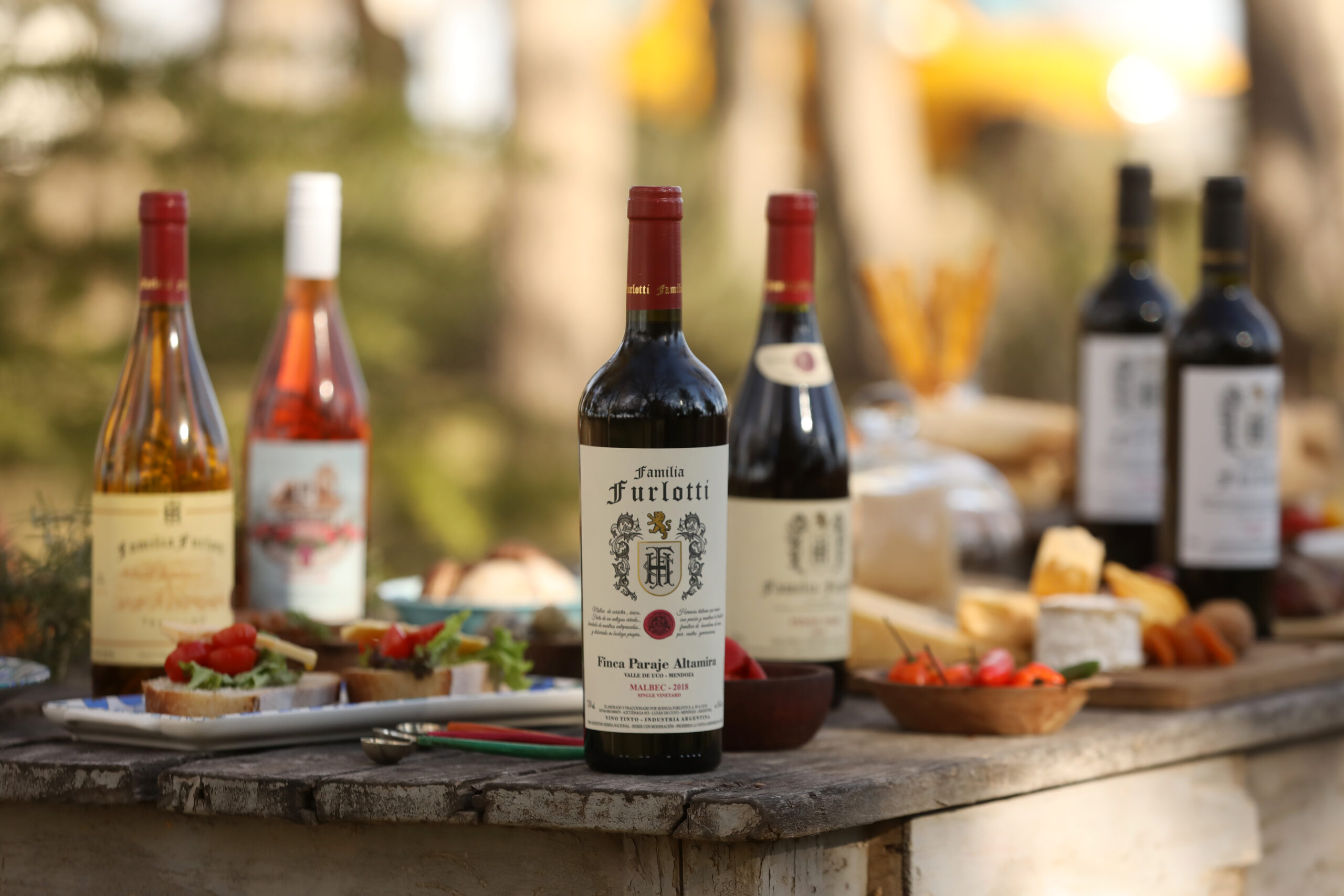
The table is part of that time. It fills up with food, glasses, and conversations that come and go. People eat, talk, someone pours a little more wine, usually a Malbec. And once no one’s hungry anymore, people often stay anyway.
It reminds me of my grandfather’s table, Medardo Clodomiro: long, full of people, talking and drinking wine late into the night.
What’s on the Table
There’s no single asado. Every family has its own habits, and every asador has preferences, but some cuts show up again and again: tira de asado, cut with the bone in; vacío, tender and flavorful; some pork; chorizo, morcilla, and, for anyone who doesn’t eat meat, grilled provolone. For visitors from Europe or the US, some of these cuts may be new. Here, beef is cut differently, and cooked at a different pace.
It goes on the grill over embers and cooks slowly. A good asador watches the fire as much as the meat. He knows when to move it, when to leave it alone, and when it’s ready. That’s something you learn by watching the fire, trying, and doing it again and again.
Meanwhile, people talk, drink wine, taste something off the table. Someone wanders over to the grill. Someone else asks how much longer. The asador answers with something that’s almost never an exact time.
At the Finca
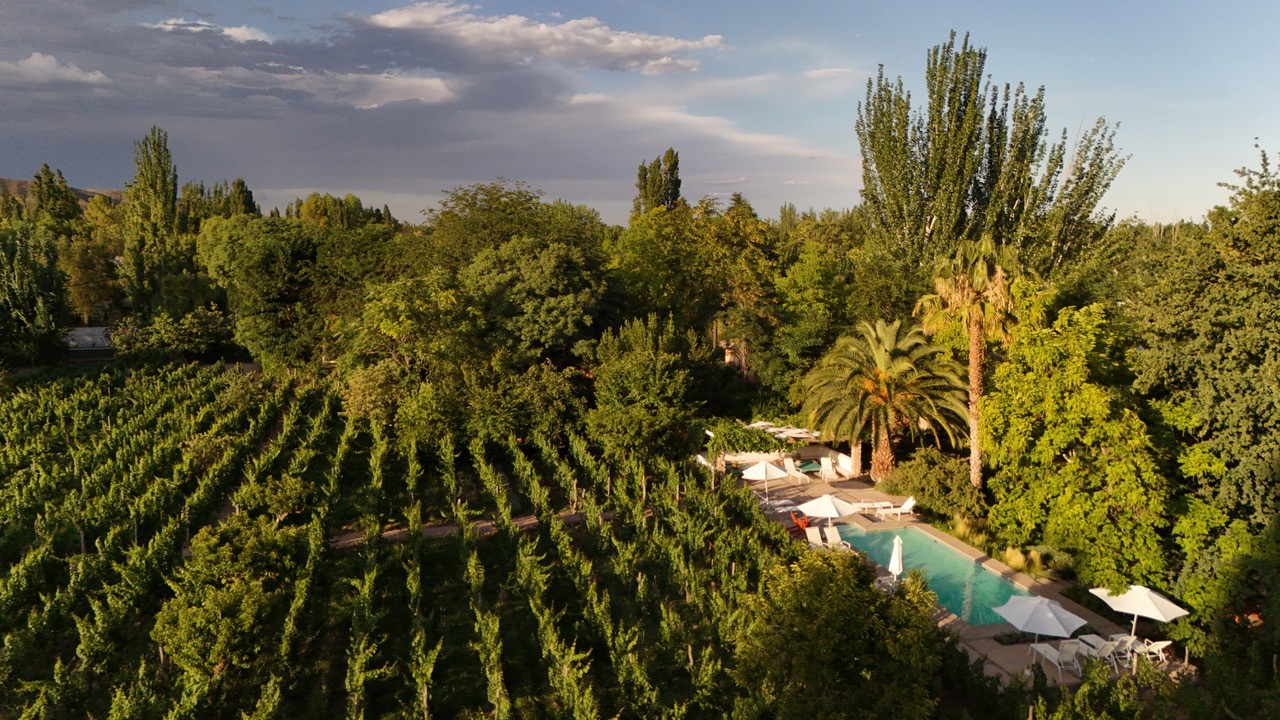
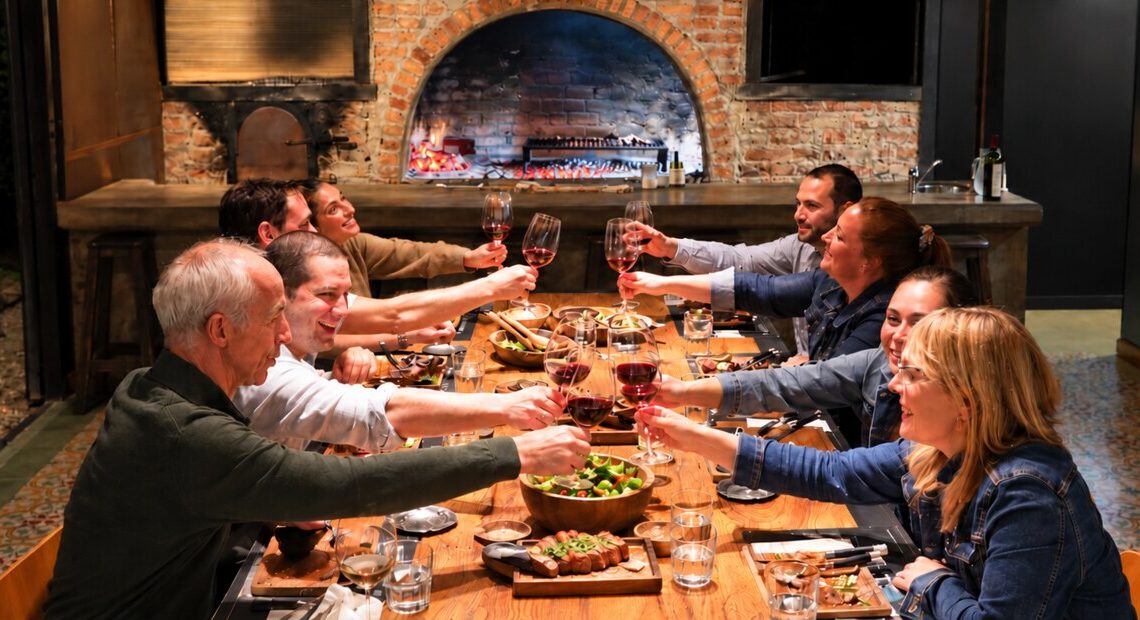
At Finca Adalgisa, the fire is lit in the afternoon. When you arrive, there’s already a long table set, a glass of wine, and something to pick at. The table seats twelve, no more. That way, everyone ends up part of the same conversation.
There’s no precise moment when the meal begins: the table starts once people sit down.
People talk about wine, about Mendoza, about travel, about where everyone comes from. Strangers end up talking as if they’d been sitting together for a long time.
Then the meat starts coming out, in rounds. You serve yourself a piece, and when you want more, another one comes. Between rounds, the conversation keeps going, changes topic, and comes back.
Some people arrive wanting to try Argentine beef. They discover new cuts, ask about the grill, watch how the asador works. But at some point in the evening, they’re no longer talking about the meat.
The next day, if there was an asado, I ask how it went. Whether the conversation took off, whether someone told a story, whether the wine was poured the way it should be.
At the end, a Fernet with Coca-Cola, the way it’s drunk in Argentina. Ask the asador how he cooked the meat, and he might tell you his secret. Or he might not. No one gets up right away.
Asados at the Finca: Mondays, Wednesdays, and Fridays at 8 pm, during the season. For our guests; depending on availability, also open to outside visitors. Reservations: WhatsApp